
Cover Story
The Health Impact of Organic Farming
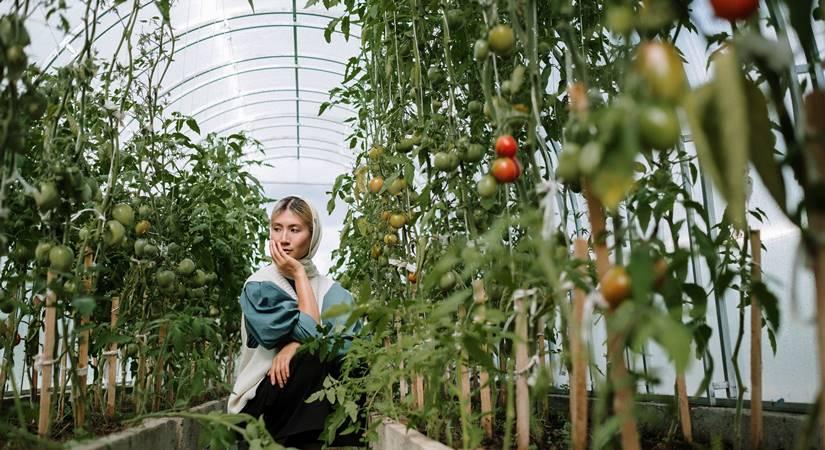
Unveiling the Benefits of Sustainable Agriculture
By Maninder Singh
August 04, 2023 (IANSlife) Sustainability has emerged as the prevailing trend across industries, and it is equally making waves in the agricultural sector through the adoption of organic farming practices. With Indian consumers becoming conscious of sustainable lifestyle choices, the nutritive value of food items is emerging as their primary concern. Consequently, organic farming is gaining traction across the country as a feasible alternative to traditionally grown food cultivated using pesticides, artificial growth hormones, and other harmful chemicals.
Organic Farming- a holistic approach towards sustainable food production
Organic farming is a sustainable agricultural practice based on ecologically friendly methods. It involves growing crops naturally, without using chemical pesticides, synthetic fertilisers, or genetically modified organisms (GMOs). It embraces the use of organic waste, biofertilizers, bio-boosters, and bio-pesticides to foster ecologically sustainable agricultural practices and create an environment that allows diverse plant and animal species to flourish. It also incorporates practices like crop rotation and organic manure to facilitate sustainable farming. The growing awareness of health hazards associated with pesticides and chemical fertilisers is catapulting India’s organic farming sector to new heights. Furthermore, the increased nutritional content found in organic food, coupled with the reduced exposure to pesticides, is driving the popularity of organic farming among health-conscious consumers in India.
Organic Farming: a thriving sector in India
Organic farming in India holds immense potential for organic producers. A report by IMARC Group reveals that India's organic food market has witnessed substantial growth, reaching US$ 1,278 million in 2022. It will likely expand and reach US$ 4,602 million by 2028, exhibiting a CAGR of 23.8% from 2023 to 2028. Another report by IFOAM Organics revealed that India was one of the top three countries in 2020 to experience significant growth in the land area dedicated to organic agriculture. Furthermore, as India takes on the G20 presidency, it shoulders the crucial task of addressing food insecurity, with a strong dedication to promoting organic and natural farming practices for the betterment of farmers and the agricultural sector. To that end, the Central Government is set to unveil a novel initiative known as the PM PRANAM (Prime Minister's Promotion of Alternate Nutrients for Agriculture Management Yojana) scheme. This innovative program aims to save the soil and promote the balanced use of traditional fertilizers, alongside bio-fertilizers and organic fertilizers. With a substantial budget of Rs 370128.7 crores, this endeavour will not only ensure food security but also prioritise environmental sustainability by optimising agricultural practices. Hence, forward-thinking farmers in India are capitalising on sustainable farming by tapping into its potential.
India’s gradual transition towards organic farming is driven by several positive health impacts. Below are some of the factors motivating the shift towards organic agricultural practices:
- Organic foods are toxin-free. Chemical fertilisers composed of antibiotics and hormones can cause severe health disorders in the long run, which may also prove fatal. For instance, pesticide residues in urine may cause ADHD in children. It may also reduce sperm count in males. Organic farming, on the other hand, is free of toxins, as it employs natural and cost-effective alternatives known as biofertilizers. The living microorganisms in bio fertilisers enhance the soil's health and fertility, besides providing plants with the required nutrition. Furthermore, research indicates that organic food consumption reduces exposure to approximately 700 harmfulchemicals found in traditionally cultivated fruits and vegetables. Scientific studies also reveal that organic foods are 50% less likely to contain toxic heavy metals such as cadmium, which is a known carcinogen.
- Organic foods contain high antioxidants: Organic foods are abundant in antioxidant compounds that protect our cells from free radicals, known for accelerating chronic conditions such as cancer and heart ailments. Research from Newcastle University reveals that organic foods have approximately 60% higher levels of antioxidants compared to conventionally cultivated crops. Additionally, the absence of chemical fertilisers and pesticides makes organic foods rich in phytochemicals that reduce the risk of many health disorders.
- Environmental impact of organic farming: Mankind's overall well-being is significantly impacted by environmental health. Organic farming relies on healthy practices for safeguarding our planet. It plays a crucial role in enhancing biodiversity and conserving soil to foster a sustainable and diverse ecosystem. Furthermore, organic farmers leverage soil-building practices, such as crop rotation and composting, to effectively mitigate greenhouse gas emissions, while concurrently enhancing soil quality and minimising erosion. Besides creating healthier soil, organic farming techniques increase carbon sequestration, thus, promoting overall environmental well-being. Moreover, it contributes to water conservation by utilising methods such as mulching and cover cropping, which help retain soil moisture, thus reducing the reliance on irrigation.
In an era marked by growing environmental concerns, organic farming shines as a beacon of sustainability. Furthermore, the exponential surge in India’s population poses significant challenges in ensuring an adequate food supply for everyone. Consequently, prioritising sustainable food cultivation methods to meet the country’s growing food requirements, is the pressing need of the hour. Nevertheless, the higher production costs make organic foods expensive. That said, the personal and environmental benefits of organic foods make them an attractive option among health and eco-conscious consumers.
(Maninder Singh, Founder & CEO, CEF Group)
(This article is website exclusive and cannot be reproduced without the permission of IANSlife)
IANSlife can be contacted at ianslife@ians.in