Cover Story
Losing muscle? 8 ways it may impact your health
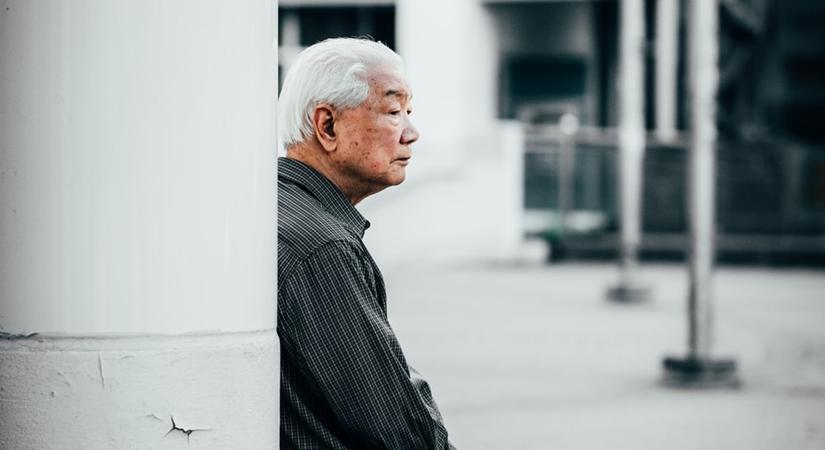
From movement to metabolism, and more, muscles are the ultimate multitaskers. But what happens if you lose too much muscle?
BySiddhi Jain
June 20, 2020 (IANSlife) Are you tired by the time you reach the top of the stairs? Have you been ill or hospitalized and lost weight recently? Are you walking slower than normal? These can all be signs of muscle loss, and it's more common than you might think. Advanced muscle loss, or sarcopenia, affects one in three adults aged 50 and older.
"You have more than 600 muscles in your body, which account for up to 40 percent of your body weight — that's almost half of you," explains Dr. Ganesh Kadhe, Associate Director Medical and Scientific Affairs at Abbott Nutrition, adding "While ageing is natural, losing too much muscle is not and can directly impact your mobility, strength and energy levels, immune system, and even organ function."
Because muscles are intrinsically linked to so many systems, research published in 'The Journal of Post- Acute and Long-Term Care Medicine' argues that a person's muscle mass is a far better predictor of health than BMI, or body mass index.
What are the risks of losing too much muscle? While advanced muscle loss is common in older adults or with some chronic diseases, it’s also an alert that your health may be at risk:
- Falls: Falls and fractures are the leading cause of injury and death among older adults. 1
- Mobility: Loss of strength can limit mobility and result in loss of independence. 2
- Weight: Muscle mass is the single-greatest determiner of metabolic rate, or how many calories you burn per day.
- Heart Health: Your heart is a muscle and muscle loss can impact cardiovascular health.
- Insulin Resistance: Muscles use blood glucose, or sugar, for fuel. Muscle loss may increase the risk of insulin resistance.
- Hospital complications: Patients with low muscle are prone to pressure injury, infection and are often unable to complete physically demanding treatments like chemotherapy.
- Breathing problems: For people with respiratory issues, muscle loss can lead to additional complications.
- Life expectancy: A higher muscle to fat ratio has been linked to greater longevity in older adults.
Simple diet and exercise strategies to stay active and strong – so you can do the things you love.
(This article is website exclusive and cannot be reproduced without the permission of IANSlife)
Siddhi Jain can be contacted at siddhi.j@ians.in