
Cover Story
Not everything in the world of fashion is beautiful
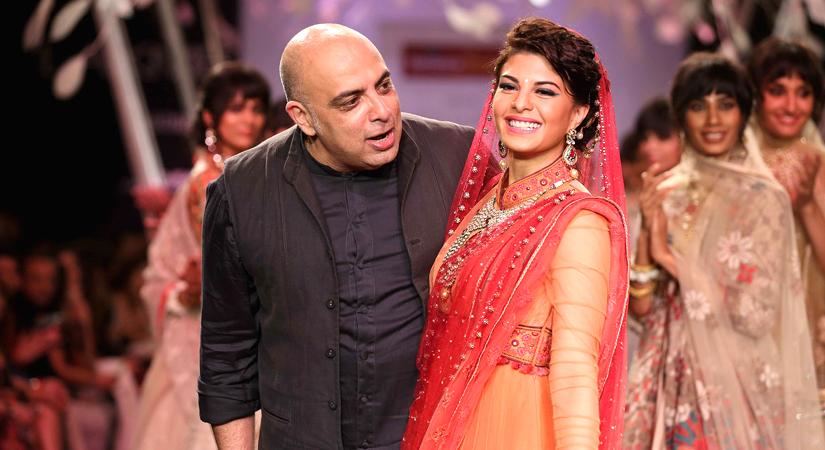
In a no-holds-barred interview, designer Tarun Tahiliani speaks on everything from politics to fashion
ByIANSlife Features
September 14, 2019 (IANSlife) He is a brand in himself. But designer Tarun Tahiliani prefers to call himself “old-school, who values ethics and quality in everything”. Tahiliani spoke to IANSlife about fashion, politics, society and the social media.
The current mood of the nation is feverishly patriotic. And it is said that art and culture, and often fashion, reflect the mood of their surroundings. “Yes, fashion and art do take their cue from politics, but does that mean one should expect saffron-inspired clothing? I think not. India is a secular country, this is what we pride ourselves for. I certainly do not agree with 'Hindutva' dominated fashion or a 'Hindutva' dominated nationalism. I do not believe in dividing the country based on religious affiliations. I have more than 1,200 Muslim karigars (artisans) working for me. There should be tolerance, fashion should be inclusive not excluding,” says the designer expressing deep concern over the prevailing conditions in the country.
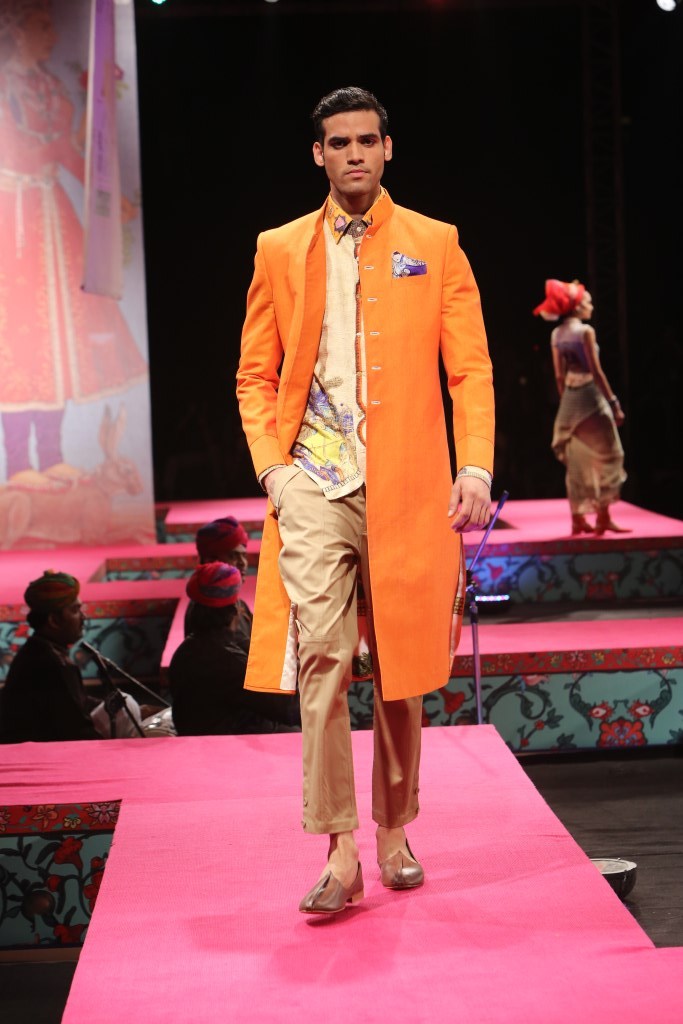
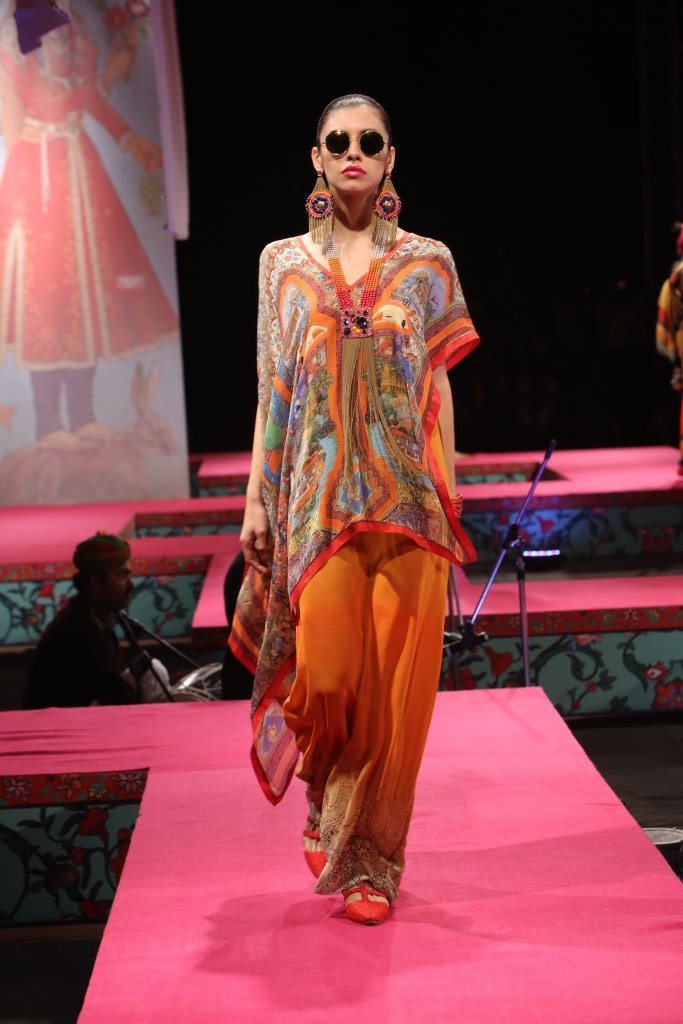
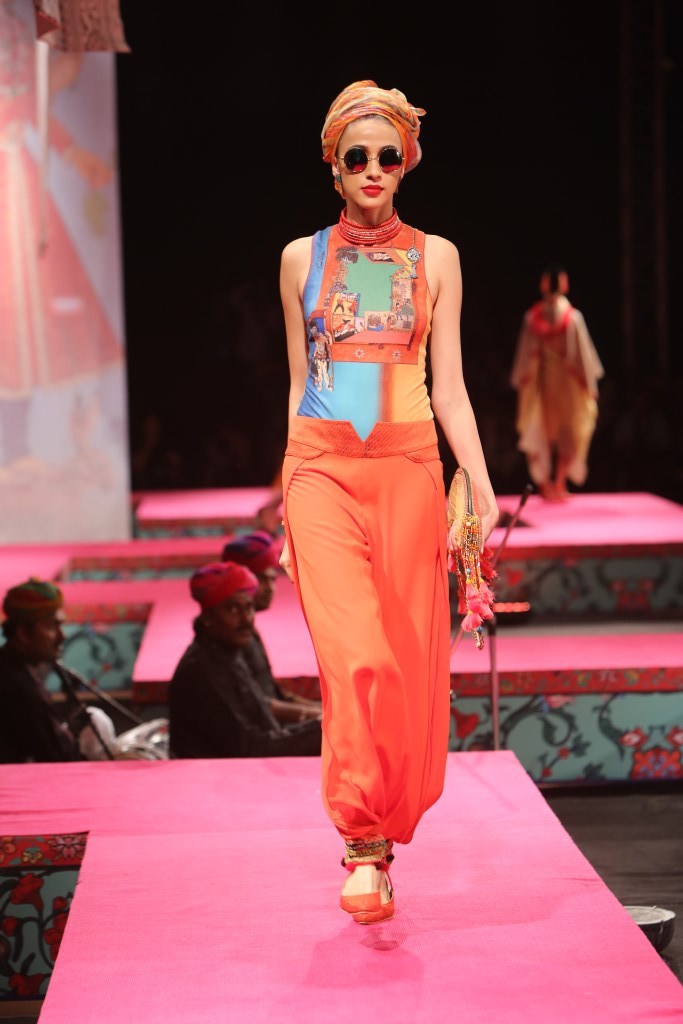
He insists that everything saffron cannot be linked to 'Hindutva'. And reminds us of one of his shows, which was heavily inspired by Banaras, to drive home his point. “I did a show that featured clothes in colours of yellow, mustard, rust and orange. I was awestruck by Banaras -- the simplicity of the drapes worn by the sadhus, the rudraksh beads, the spirituality of it all. It was beauty out of nothing and everything. That is what our country stands for. Beauty from our surroundings. I did orange as an aesthetic,” he says.
Which means fashion doesn't necessarily mirror society? “The fashion industry and everyone surrounding it has little to no ethics. So if there are no ethics and fashion mirrors society, it can only mean that today's society has no ethics. It’s a dog eats dog world, that is running after money. Look around you at the social media, you have well educated people who have a lot of money and who post pictures with a new outfit, literally every few hours. They post pictures of what they drive, where they fly, what they eat. If you think all this is healthy, ethical and makes people feel good, think again. Is it normal to not repeat an outfit just because you’ve worn it once and social media has captured it? No. So yes, to that extent there are no ethics,” he replies.
Tahiliani also sees no merit in the frenzy around social media influencers and paid partnerships with celebrities. “I do not think there is any merit or credibility in a paid partnership or an endorsement of a product, which you yourself do not use. I am appalled by celebrities, who endorse products like fairness creams and feed the prejudice that Indians already have against their own colour, all the while without even using the product. If one uses a particular brand of skin care, makeup or a car and then promotes it, it’s understandable. But if you frown upon what you’re being paid to promote and still promote it, then there is no merit in it. I don’t think actors like Kate Winslet or Di Caprio would do that. It’s dishonest and it’s a marketing tool. If one is willing to endorse or buy into it, then somewhere that lack of merit has seeped into your own intellect,” he says.
The courtier still holds dear the past, far removed from the present, when the elegance of wearing the same sari more than once was appreciated. “Do you remember the time when things were handed down generation to generation and worn many a time over? That is what is sustainability and beauty,” he insists.
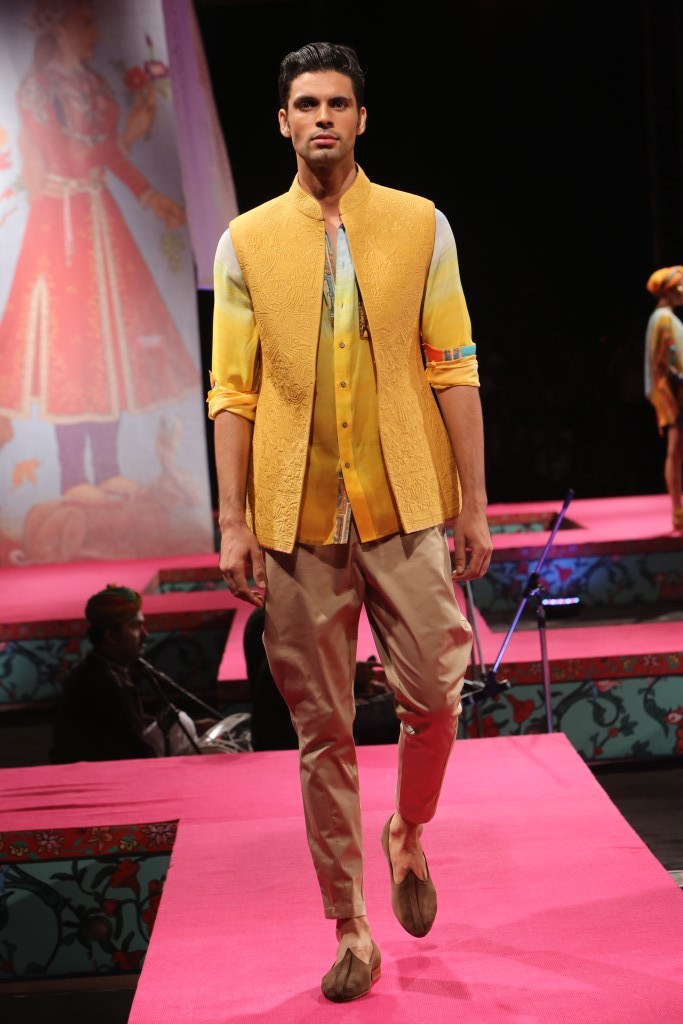
Speaking of sustainability, a lot is made of the fashion industry being one of the largest pollutants today. Tahiliani says most indegenous Indian fashion is sustainable. “Our textiles, embroidery, cotton, chikankari… some of the most beautiful embroideries and fabrics made here. But because of our hectic, urban and nuclear lifestyle, people today don't have the time to iron, starch and air dry their clothes. They want quick solutions, crinkle free fabrics… that’s where rayon and polyester and synthetics, which pollute come in. Machine-made things are not sustainable. Beauty lies in heirlooms, simplicity, hand-embroidery, imperfection, which is handed down—your grandmother’s sari, your great grandfather's memoir these are not thrown away, they are preserved. The dastakar bazars, the crafts, the chikankari, those are not polluting. They are sustainable and non-polluting. But there is movement towards crazy consumption and fast fashion, and that is toxic! People have lost the charm for the old way,” confesses the couturier.
According to Tahiliani, the fashion industry in India is not organised. Not only is it mismanaged, but it also lacks control. Unlike international fashion weeks, which are trend setters, Indian designers just try to ape and copy. “Unfortunately originality and authenticity are not valued here. There are designer copies flooding the market, the designers some times even copy big brands and people happily buy these copies. So there is no morality,” he laments.
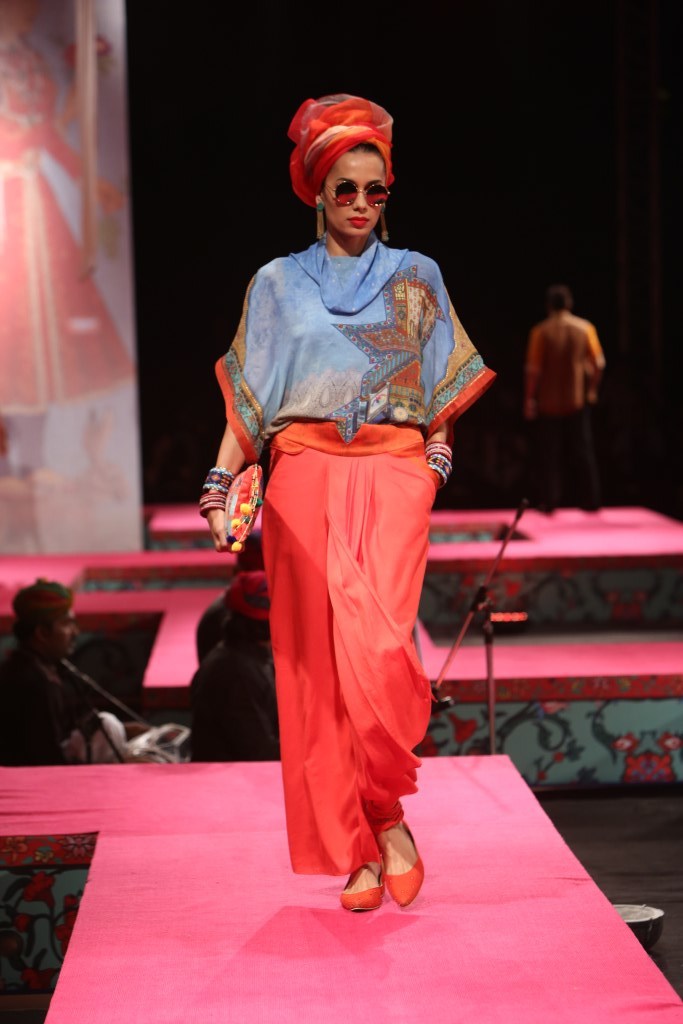
Despite all its ills, Tahiliani hasn't given up on his industry. He is hopeful that it will evolve into something more organised, tasteful and ethical in the days to come.
Tahiliani calls himself an old-school man, who values ethics and quality in everything. “I have worked very hard to make the beautiful clothes that I do. I have an equally hardworking team of craftsmen, who give my brand their best. I have maintained and also live by standards that I set for myself. I am old-school, I’m not tech savvy but I value quality in everything. That’s what I want and that’s what I give, professionally, personally and also as a brand. If people get it, great and if they don’t that’s too bad for them.” he says.
(This article is a website exclusive and cannot be reproduced without permission of IANSlife)
IANSlife can be contacted at ianslife@ians.in
Editing by Ritu Pandey and N. Lothungbeni Humtsoe