Cover Story
London exhibition on how cars drove modernity
On view are the first-ever production car and a flying car on display in the V&A’s major retrospective on the automobile
BySiddhi Jain
London, December 2, 2019 (/iANSlife) London's Victoria and Albert Museum has opened an exhibition looking at the car as the driving force that accelerated the pace of the 20th century.
The exhibition brings together a wide-ranging selection of cars that have never been on display in the UK, each telling a specific story about their impact on the world. This includes the first production car in existence, an autonomous flying car, a converted low-rider, and a 1950s concept car.
“The V&A’s mission is to champion the power of design to change the world, and no other design object has impacted the world more than the automobile. This exhibition is about the power of design to effect change, and the unintended consequences that have contributed to our current environmental situation,” said Brendan Cormier, show's curator.
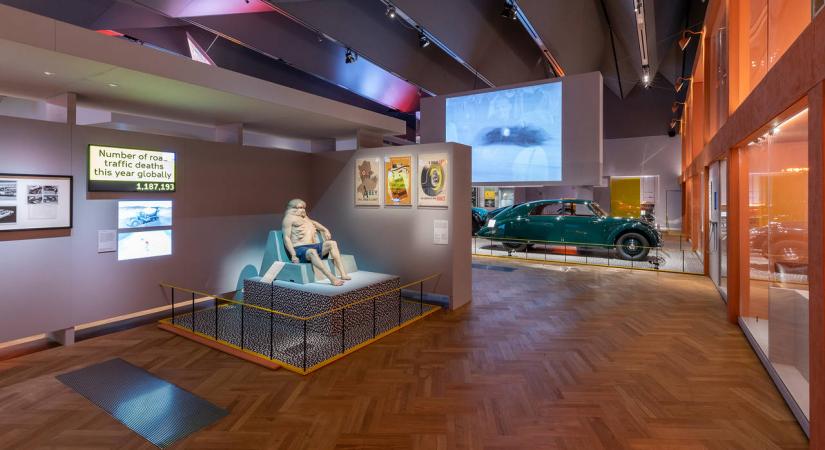
Showcasing 15 cars and 250 objects across three main sections, the exhibition examines how the car changed our relationship to speed, how it changed the way we make and sell, and how it altered the landscape around us, from countryside to cityscape.
‘Going Fast’ opens the exhibition, exploring the role of the automobile in imagining a future world of liberated movement and technological progress. Bringing together a range of 20th-century concept car designs, magazine illustrations, and film, the display references popular culture, science-fiction and novel technologies to show the central role of the automobile in imagining an accelerated future.
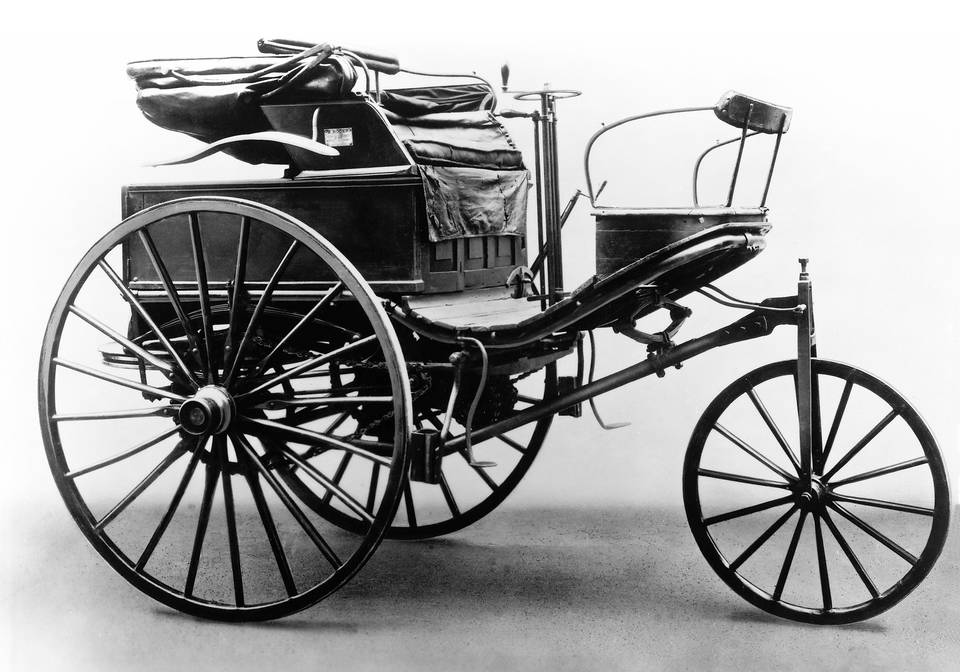
The show has the first-ever production car, the Benz Patent Motorwagen 3, introduced to the public in 1888. Although it wasn’t fast at the time, the technology developed rapidly, putting the thrill of speed at the hands of the driver. The idea of ‘speed’ quickly grabbed the fascination of the public, inspiring a worldwide racing culture, pushing the design and technology of cars to go ever faster.
One such technology, streamlining, is explored through the Tatra T77 from the Czech Republic. Its sleek curves and style were designed to decrease drag, but would influence all areas of design, from cloche hats and radios to meat slicers.
Another section explores the car as the archetype of modern manufacturing, the object that developed contemporary consumerism and turned production companies into global powerhouses.
On display, a Ford Model-T from 1925 traces the origins of the assembly line, its widespread impact on other areas of production and its evolution into the high-tech automated factories of today. The introduction of the Ford assembly line transformed the automotive industry from carefully hand-crafted machines, available to a limited few, into a highly efficient operation that enabled the democratisation of the car.
An exploration of General Motors’s early history examines the establishment of their Art and Colour Studio turning cars from utilitarian machines into objects of desire. They did so by releasing annual model upgrades and colour ranges, making old cars redundant and new cars more desirable.
The final section of the exhibition, ‘Shaping Space’, explores the vast impact of the car on the world’s landscape, nations, and cities. It looks at how the petrol engine beat early electric and steam-powered competitors by promising the ability to travel the world, transforming drivers into individual explorers. On display, global surveys of road conditions published by Michelin and a look at the special off-road cars called Auto-Chenille by Citroën to undertake a publicised treks across Africa and Asia, demonstrate this new market for cross-country adventure.
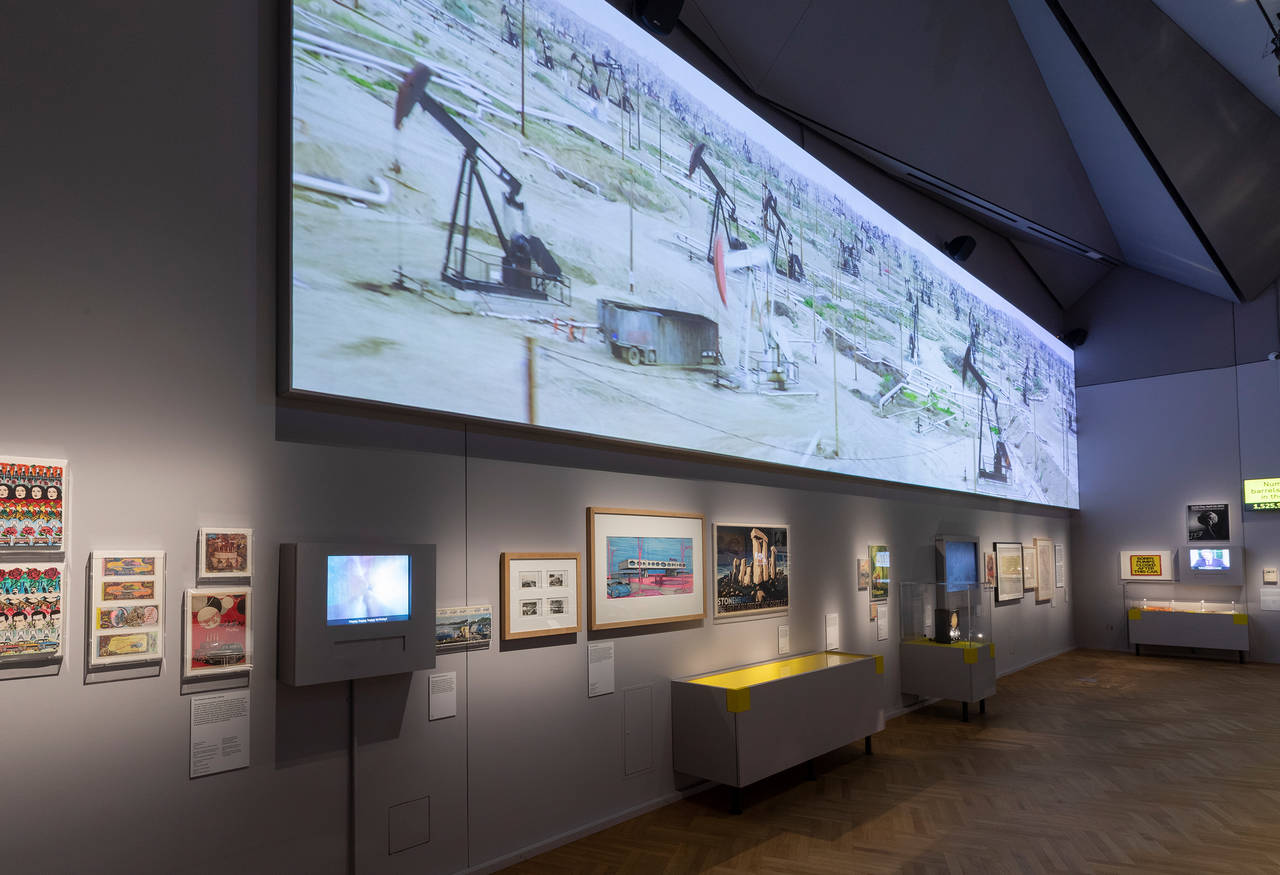
The exhibition looks at the geography of petrol extraction, how it was celebrated early on as a miracle resource through products like Tupperware and nylon, and how the 1970s oil crisis inspired a new environmental movement.
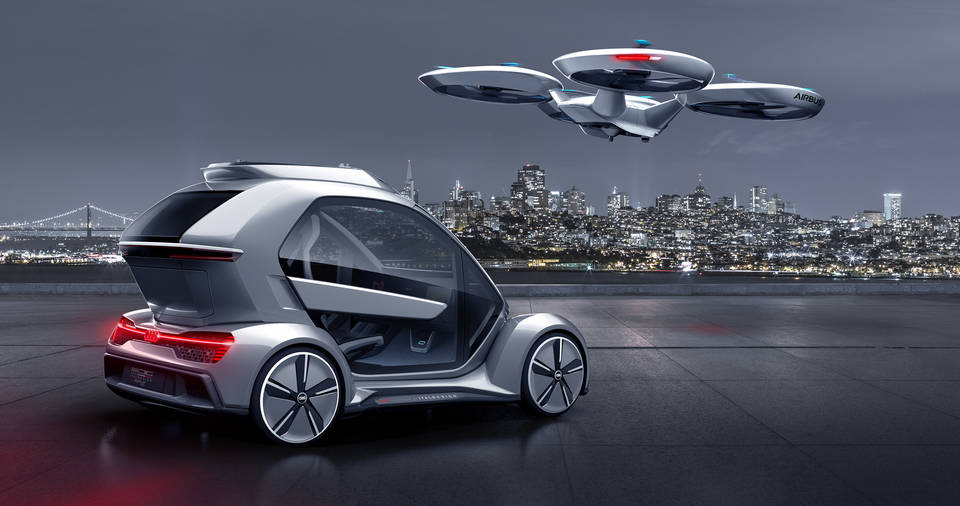
Returning full circle to the fantasy images of a future world, the exhibition ends with the Pop.Up Next autonomous flying car co-designed by Italdesign, Airbus and Audi. On display for the first time in the UK, the car combines the four major innovations transforming the future of driving: electric power, autonomous driving, service-oriented, and flying.
The car has transformed how we move, as well as our experience of speed, forever changing our cities, environment and economies. It has revolutionised manufacturing around the world, and introduced radical new ways of styling, making and selling. The exhibition examines how the car in a mere 130 years has shaped the world we know today.
"Cars: Accelerating the Modern World" runs till April 19, 2020. It has been curated by Brendan Cormier and Lizzie Bisley, with Esme Hawes as Assistant Curator.